An ever expanding collection of reflections on films I’ve watched, including insights from Q&As, filmmaker discussions and my own thoughts on the storytelling, music and sound behind each film.
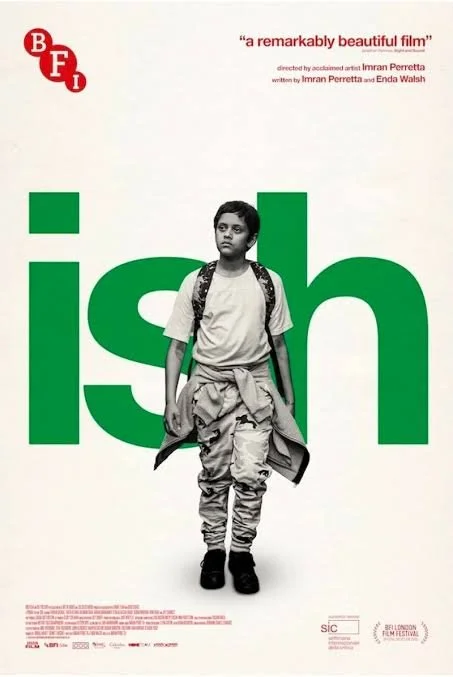
The film follows 12-year-old best friends Ish and Maram as their carefree childhood begins to change following a police stop-and-search. Exploring themes of friendship, grief, identity, racism and the challenges of growing up, Ish presents an intimate portrait of childhood and adolescence through striking black-and-white cinematography.

I was particularly impressed by the film’s post-production. I thought the music was very fitting, and the choice of when to introduce the score felt clever and thoughtful. The music never felt as though it was carrying the film, which I find can sometimes happen when films rely too heavily on their score to do the heavy lifting. Instead, the restraint allowed the visuals, performances and story to speak for themselves, while the music enhanced the moments where it was most effective.

Overall, Ish is an interesting and beautifully made film to experience, both as a viewer and as a composer and sound designer. I found parts of the story somewhat relatable, and I was particularly impressed by the way the film was crafted. From a creative perspective, it gave me several ideas about how music and sound can be used more subtly and creatively to support storytelling without overpowering it.
ISH
Director : Imran Perretta Screenplay: Imran Perretta, Enda Walsh Producer : Dhiraj Mahey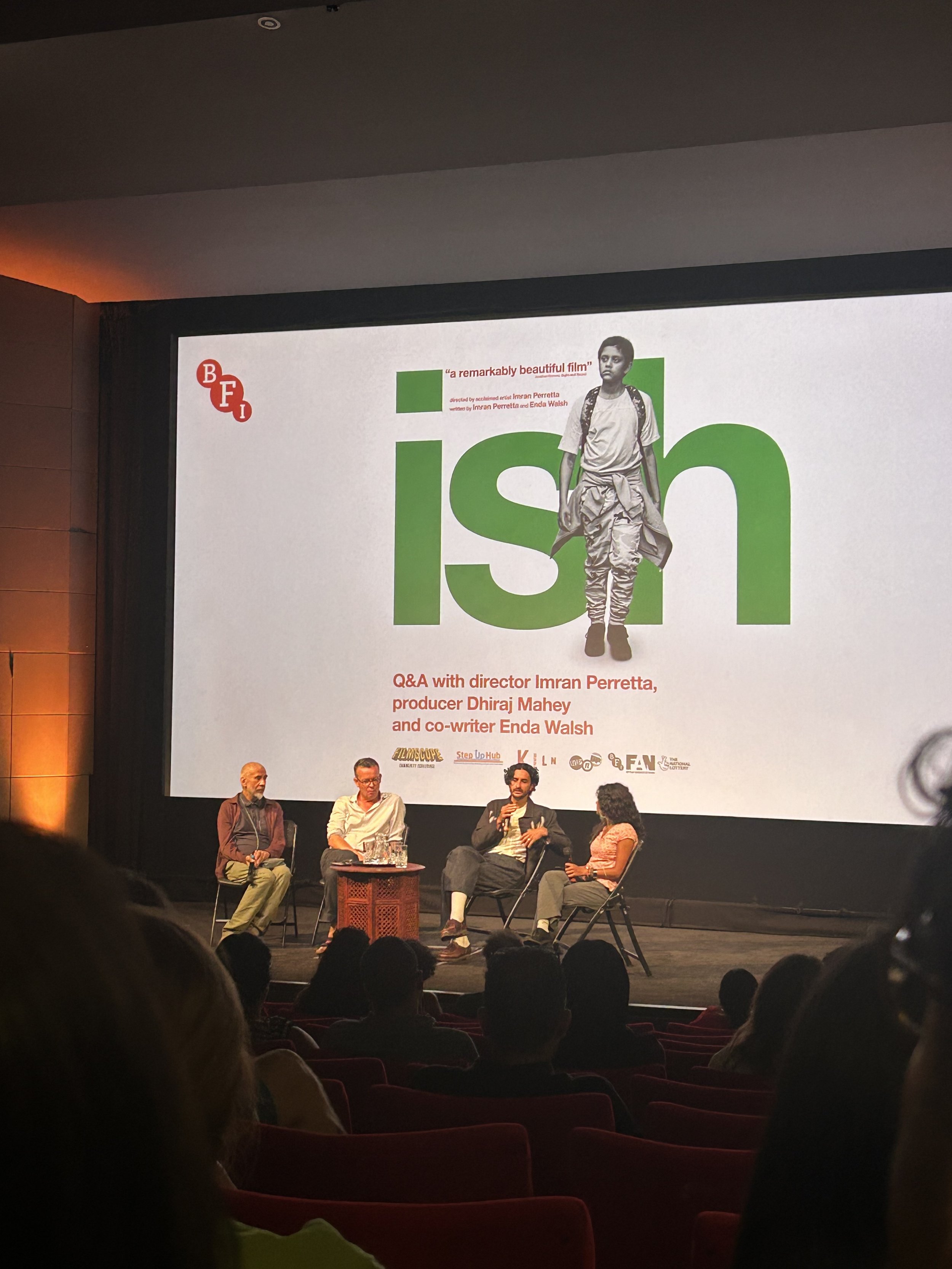
I also had the opportunity to attend a Q&A about the film, which gave me a greater insight into the creative process behind it. All three of the creators shared moments of the behind the scenes and it was a pleasure to sit back and listen to their stories. After the session, i grabbed my opportunity to speak to Imran and asked him about his creative process as he was the composer himself. He was kind enough to spend his own time enthusiastically discussing his love for film making and composing.
e
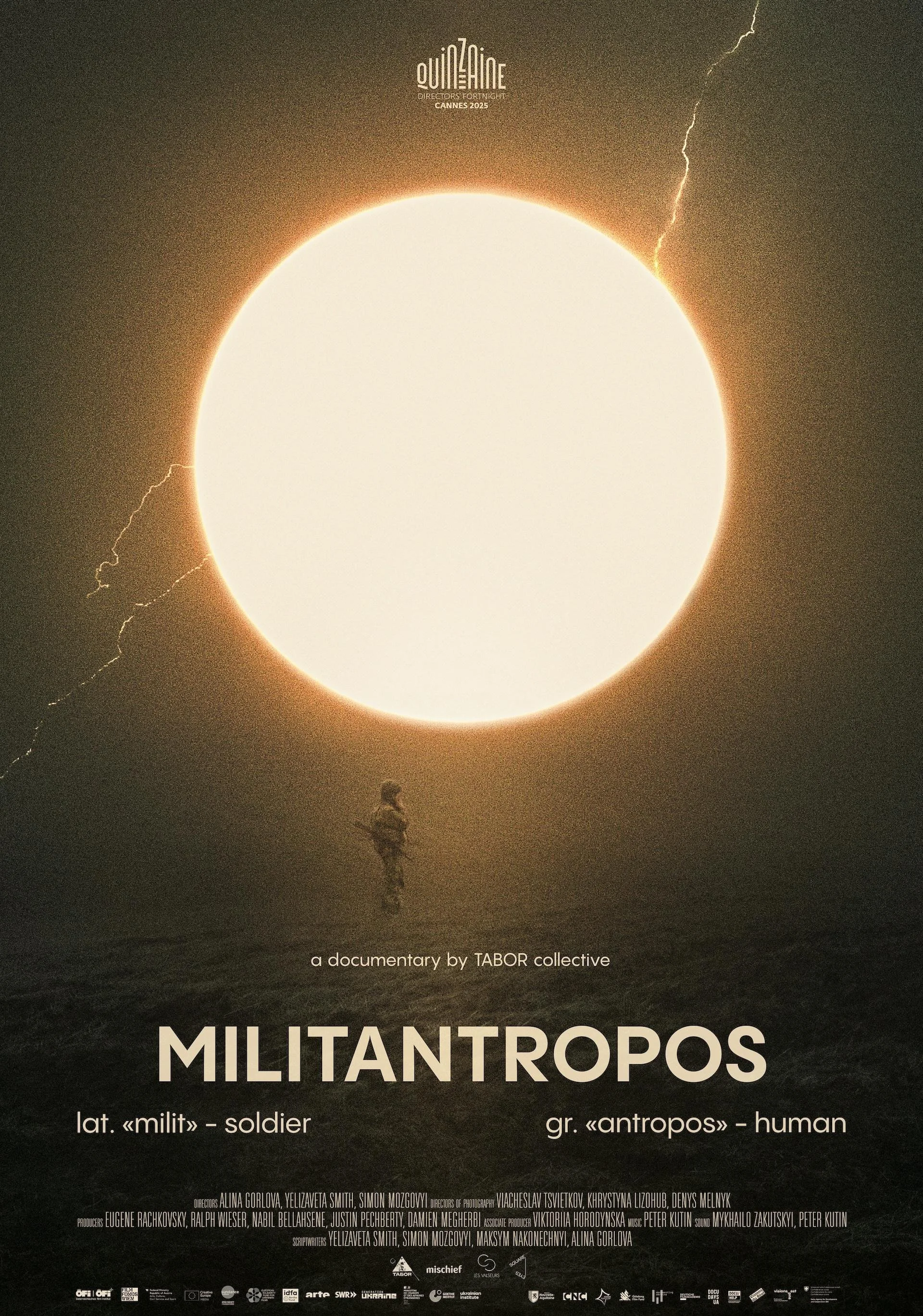
Militantropos
This documentary explores the human experience of Russia’s full-scale invasion of Ukraine, following civilians and soldiers whose everyday lives have been transformed by war. The film examines survival, loss, resistance and the ways people adapt to living in a constant state of conflict.I thought this documentary was very good. I left the screening with so many questions about the creative process. Visually it looked stunning, but also challenging, in the sense of how hard it must of been to film certain moments. I like the idea that there was no linear narrative, because it meant that rather than focusing on a particular narrative, the viewer can be immersed themselves with the sound world and the picture on screenDirectors: Yelizaveta Smith, Simon Mozgovyi, Alina Horlova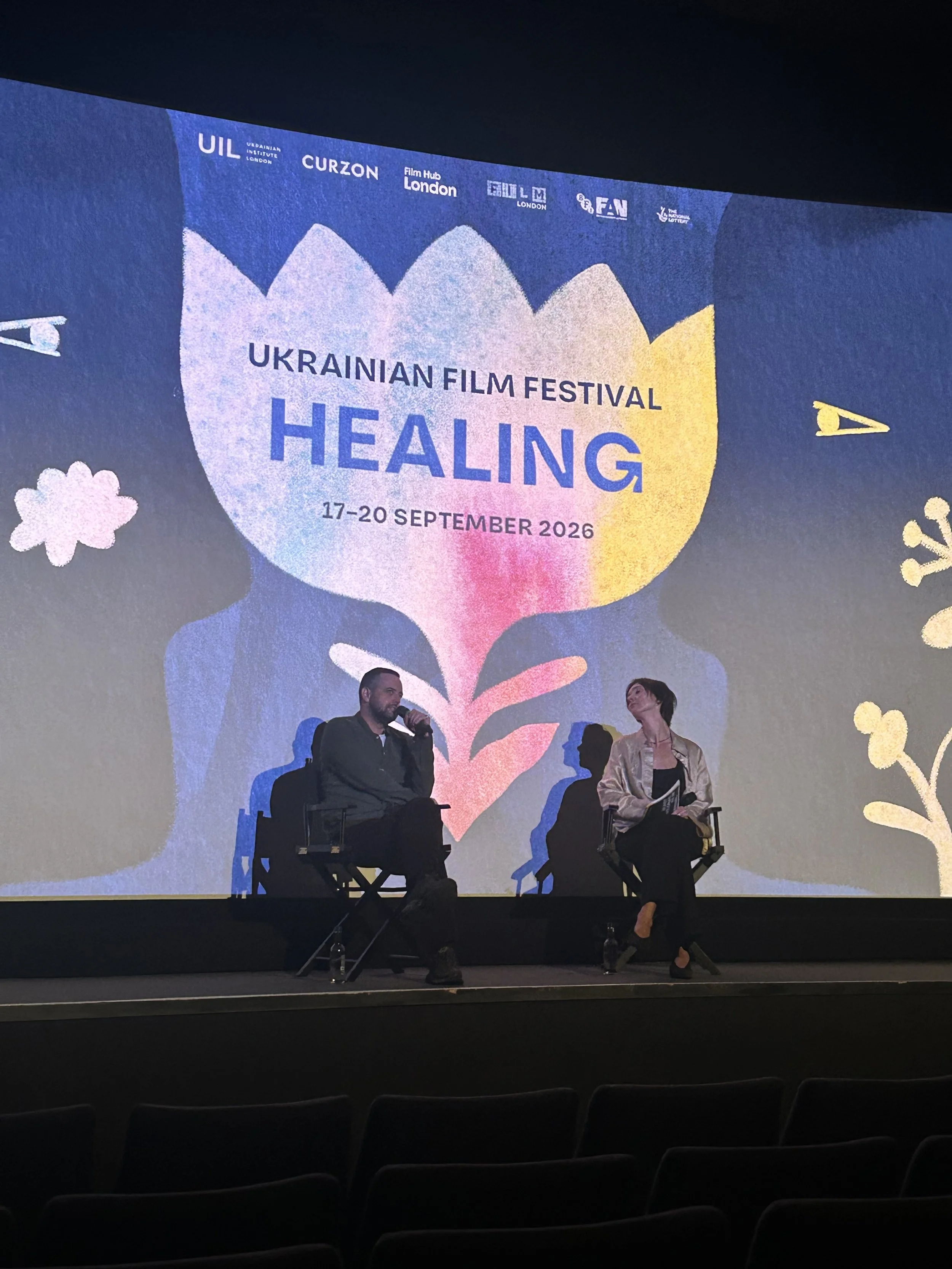
During the Q&A, Simon, one of the three directors, spoke about the challenges they faced while filming and the mental impact the experience had on them. The sound design was astonishing and incredibly powerful. I also managed to have a quick conversation with Simon, where he explained  the role of the music and the process behind creating the film’s music and sound world.

For example, he explained that one part of the sound process involved leaving large microphones in a forest on the front line for four hours to record everything happening around them. He described some of the sounds heard on the front line as “unforgettable.” The result of this approach was a soundscape built from real, live recordings, which made the experience feel incredibly immersive and real as a viewer. It demonstrated to me how powerful authentic sound can be when used to place an audience directly within an environment.
I also noticed that the music took a minimalist approach, acting more as an underlying tone throughout the film rather than being at the forefront. I found this to be an interesting creative choice, but ultimately a very effective one. Simon explained that sometimes music can disrupt the immersiveness of a project, particularly when the soundscape is already so powerful and authentic. In this case, the restraint in the music allowed the real-world sounds to remain the focus and helped maintain the sense of realism and immersion throughout the film.